Introduction
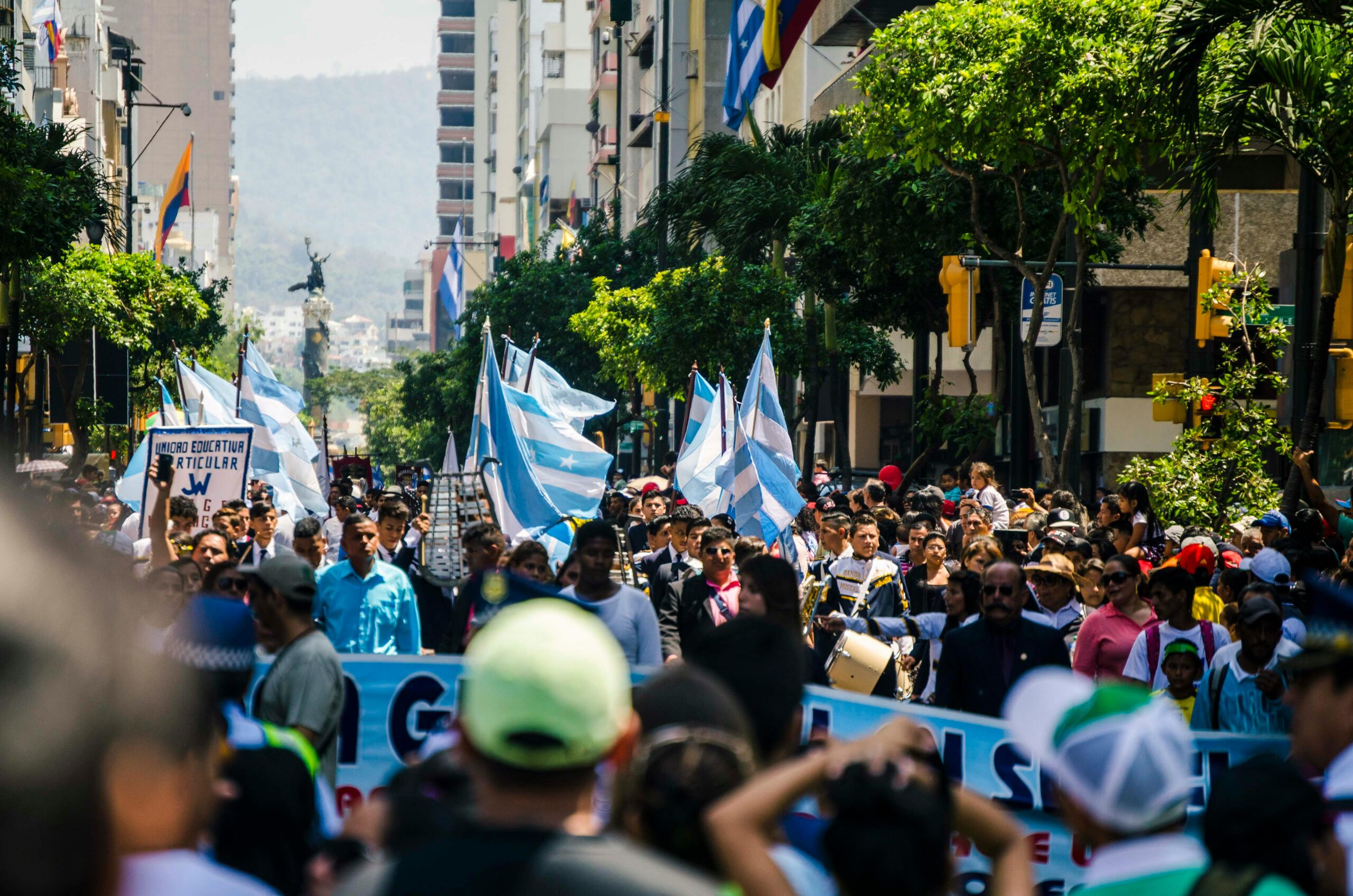
Politics today feels angrier and more divided than ever. That’s not imagination. Polarization is real, growing, and dangerous when left unchecked.
What Political Polarization Means
Polarization occurs when:
- Political views become extreme
- Compromise is seen as weakness
- Opponents are treated as enemies
This breaks democratic processes.
Major Causes of Polarization
1. Social Media Algorithms
Platforms reward outrage, not accuracy.
Extreme content gets more attention and spreads faster.
2. Identity-Based Politics
When political beliefs become personal identity, disagreement feels like a personal attack.
3. Misinformation and Propaganda
False or misleading information spreads faster than facts.
People believe what confirms their existing views.
4. Economic Inequality
When people feel left behind, they become more reactive and less trusting of institutions.
Consequences of Polarization
- Government gridlock
- Decline in trust
- Increased social conflict
- Poor long-term policy decisions
Emotion replaces logic.
How Individuals Can Reduce Polarization
- Consume information from multiple sources
- Question emotionally charged claims
- Separate people from ideas
- Focus on policy, not personalities
Common Myths
- “The other side is evil” (Oversimplification)
- “Facts don’t matter” (They always do)
Conclusion
Political polarization grows when emotion beats reason. Critical thinking and responsible dialogue are the only real countermeasures.